DOCTORAL RESEARCHER
Doctor of Arts: The ongoing (2025->)research focuses on the futures of design and structural changes within the field, examining the impact of technological advancements on design practices and how designers adapt to these transformations. The goal is to promote critical thinking and prepare designers to face changes, future challenges, and opportunities in the industry, while identifying anticipatory and critical approaches for revitalizing the field.
Keywords:
Design Futures
Design Innovation
Emerging Technologies
Futures Research
Structural Change
Socio-Technical Systems
Professional Development
MASTER’S THESIS 2024
Practicing design: repositioning the role and professional dimensions amid anticipated structural change: This study is a theoretical research that results in a theoretical framework of designers’ key competencies amid anticipated structural change in the future. This study begins with a theoretical (philosophical) analysis, where theoretical perspectives (systemic design framework, strategic foresight, critical thinking, discursive design, critical design, speculative design, and design fiction) are dissembled and compared through viewpoints based on cross-disciplinarity, anticipation, critical thinking and research, and discourse and speculation. The theoretical analysis is followed by theoretical synthesis, where the key findings of the analysis are combined into new concepts, which results in the 7-field framework (a theoretical framework). The framework presents 7-key competencies of a future designer. The results can be used to evaluate the need for designers to develop personal skills in the context of future working life, and the main goal of the study is to provide a basis for future research on this topic: this research can be broadened by empirical research.
Master of Arts and Design | Sustainable Art & Design
BACHELOR’S THESIS 2020
Responsibility in Product Communications in the Fashion Industry: The topic of the thesis is to dissect, and study companies’ responsibility claims with research methods available to the consumer. The purpose of the thesis is not to morally assess the companies, their methods, or their responsibility strategies.
The study was demonstrated with a sampling group that consisted of four clothing companies, all of which operate in the outdoor-clothing and leisurewear segment. A T-shirt was chosen as an example product from each company with the purpose of ascertaining a comprehensive amount of information from the company’s own sources. This information was compared to the company’s corporate responsibility policy. The veracity of the received information was also compared to the information the company provided of its product chain’s operators.
Information was acquired from written sources, non-governmental organizations, and standardization systems. The objectivity of the information provided by the companies was studied against information from multiple different sources. Observation (in store and by ordering the product home), questionnaires (by email), and interviewing were all used as methods of research.
The thesis resulted in the conclusion that it is difficult for the consumer to determine the veracity of the responsibility claims. Studying such claims requires an extensive knowledge on the clothing industries’ operating methods, production chain structures, understanding of the terminology, knowledge of the standard systems and control systems, and the understanding of their advantages and disadvantages. The studied company also must share information about themselves and their actions. A ten-point guide to determine the veracity of the responsibility of the responsibility claims is presented at the end of the thesis.
Finnish Design Academy chose my thesis, to be a part of their article series on accomplished theses. The series presented accomplished and deserved design theses from Finland in spring of 2020.
TEXTILE CONSERVATION
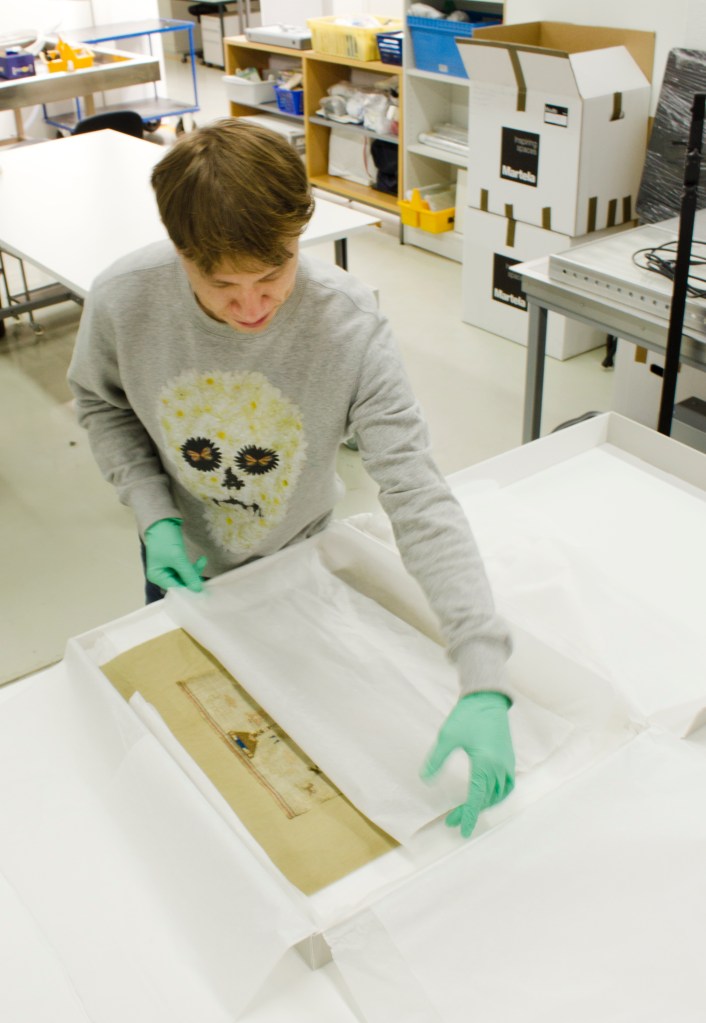
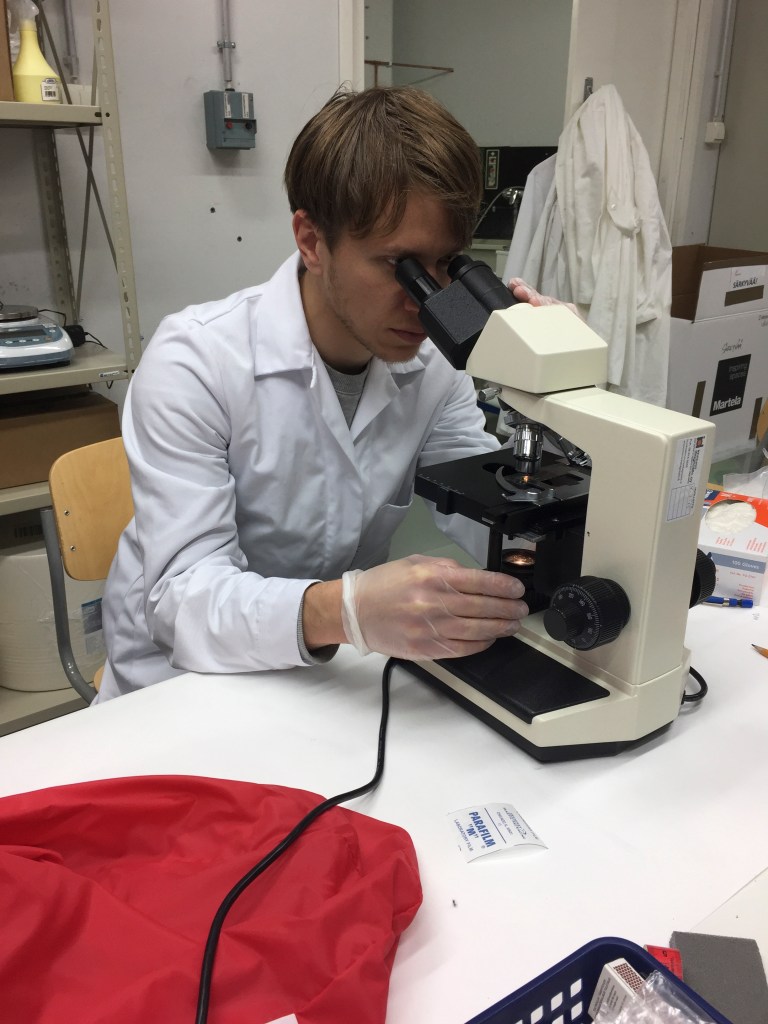
Conservation of cultural and historical objects made of organic materials, focus on textiles 2016-2018. Documentation of objects, material, and methodological analyzes. Analytical photography, damage mapping, and elucidation of cultural and art historical contexts. Preparation of conservation reports. Material analyzes based on chemistry and biology. In addition, deep understanding in art history and museology.
 Anton Wikstedt - Design Professional